Introduction
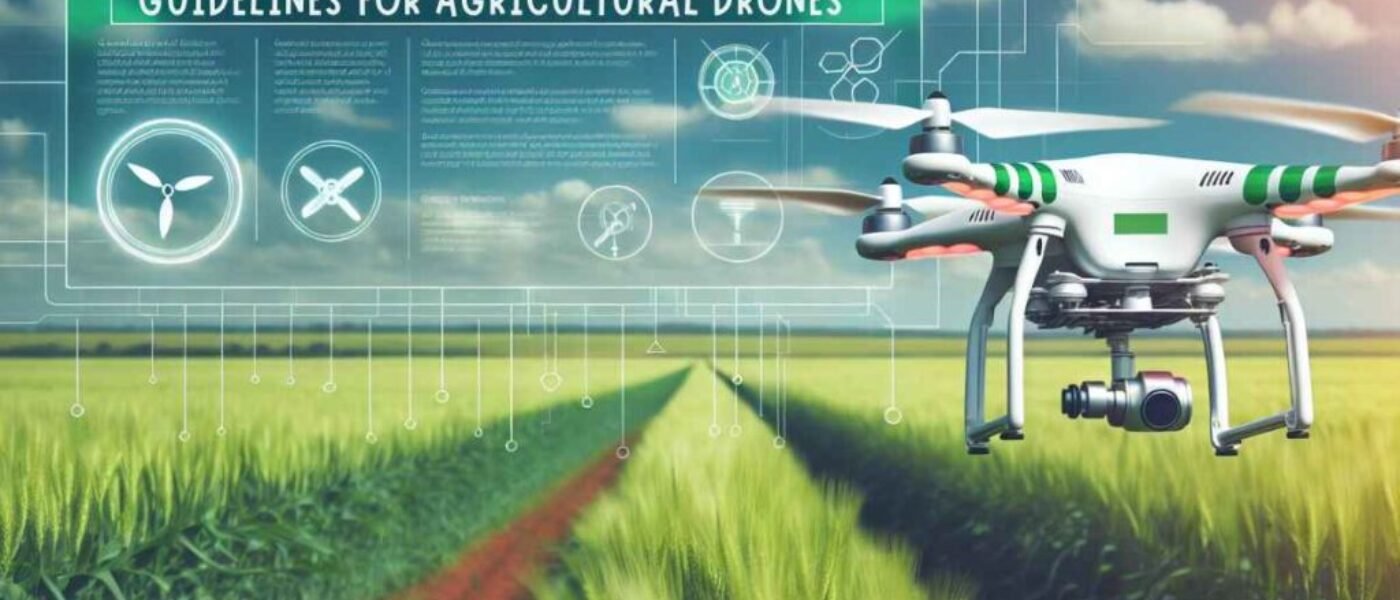
Drones have rapidly become a game-changer in the agricultural world, bringing futuristic technology to common farming practices. The Directorate General of Civil Aviation (DGCA) in India has set specific rules and regulations to ensure that this technology is used safely and effectively in agriculture. These regulations, updated in October 2023, are designed to assist farmers while safeguarding safety and privacy. Whether you’re a farmer or a drone enthusiast, it’s crucial to understand these guidelines to operate within the legal frameworks and help promote farmers’ welfare.
Overview of DGCA Drone Regulations
Understanding the Directorate General of Civil Aviation (DGCA) guidelines is essential for anyone using drones in agriculture. Since October 2023, these regulations have seen revisions, focusing on the safe and efficient use of drone technology in various sectors, including agriculture.
Registration and Licensing Requirements
In India, the DGCA mandates that most drones be registered to ensure operators follow safety and privacy guidelines. While nano drones (less than 250 grams) and non-commercial micro drones (less than 2 kg) are exempt from this requirement, others must comply. Additionally, drone operators typically need a Remote Pilot License (RPL) to legally fly their drones, except in specified areas like green zones where registration alone suffices if certain conditions are met. This ensures that operators are well-trained and that drones are operated safely and responsibly.
Green Zone and Airspace Regulations
Most agricultural activities occur within green zones. These areas allow drones to operate with fewer restrictions, provided they fly below 120 meters in altitude. This classification supports farmers by giving them the freedom to utilize drone technology without excessive bureaucratic hurdles. However, operators should always stay informed about the latest airspace conditions by checking resources like the “DigitalSky” portal, ensuring compliance and safety during their operations.
Guidelines for Safe Drone Operation
Safety is a priority when integrating drones into agricultural practices. The DGCA outlines several measures to ensure this, emphasizing a proactive approach to both drone operation and data management.
Pre-Flight and Operational Safety
Prior to any drone flight, pilots must conduct thorough pre-flight checks. This includes ensuring the drone is functioning correctly, checking for any software updates, and understanding weather conditions that may impact flight. Drones should always be operated within visual line-of-sight and should avoid flying over populated areas or people, maintaining an altitude no higher than 400 feet.
Specific Agricultural Safety Measures
For those using drones in agriculture, completing an “agri-module” is required for DGCA-certified pilots. This training covers agrochemical handling, mission protocols, and crop protection guidelines, equipping operators with the knowledge needed to safely carry out agricultural tasks. Additionally, while general flight permits may not be needed in green zones, special permits might be essential for operations like chemical spraying or using larger drones.
Data Privacy Regulations
With drones capturing vast amounts of data, it’s vital to handle this information responsibly, adhering to data privacy laws. Agricultural drone operations often involve collecting sensitive data, and operators need to treat this data with caution. Ensuring data security not only complies with legal standards but also fosters trust among clients and stakeholders.
In conclusion, while drone technology offers remarkable benefits for agriculture, understanding and adhering to the DGCA’s regulations is crucial for safe, legal, and effective operations.
Permits and Training for Agricultural Use
The rules for using drones in agriculture have evolved, and it’s crucial to keep up-to-date to ensure compliance and safety. Let’s dive into what you need to know about training and permits for using drones on the farm.
Training Requirements for Drone Pilots
Flying a drone in agriculture isn’t just about operating the machine; it requires specific skills and knowledge. If you plan on flying a drone for agricultural purposes, you’re going to need a Remote Pilot License (RPL), especially if you’re outside a green zone or handling larger drones. The DGCA mandates that pilots complete an “agri-module” as part of their training. This module is quite essential as it covers:
– Agrochemical Handling: Knowing how to properly handle and apply agrochemicals via drones ensures safety for both the operator and the environment.
– Mission Protocols: These are crucial for conducting operations efficiently and safely. It involves understanding flight paths, weather considerations, and emergency procedures.
– Crop Protection Guidelines: Understanding how drones can be used for crop protection ensures that operations improve yield and minimize harm to the crops and surroundings.
Permit Needs for Agricultural Activities
When it comes to permits, the good news is that if you’re operating in a designated “green zone,” you may not need general flight permits for every flight. Agricultural areas typically fall into this category and allow drone operations below 120 meters without any special permissions. However, there are exceptions.
– Special Activities: If you’re using larger drones or plan on carrying out specific tasks like chemical spraying, you might need additional permits. Local government regulations can vary, so it’s always best to check with your regional authority before proceeding.
It’s vital to stay informed with the latest DGCA guidelines, as these can change, and non-compliance could lead to penalties or operational disruptions.
Importing and Traveling with Drones in India
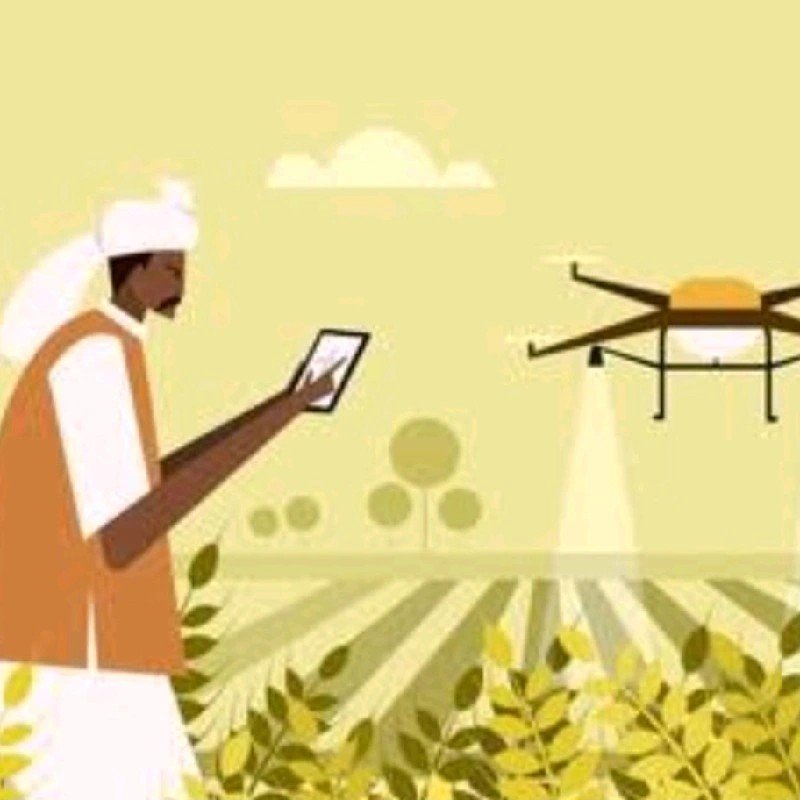
If you’re thinking of bringing a drone into India or traveling with it for agricultural purposes, there are certain protocols you’ll need to follow.
Whether you’re importing a drone for the first time or bringing your trusted UAV along on your travels, registration with the DGCA is a key step. All drones, except those under certain weight categories like nano drones, must be registered with the DGCA. This regulation helps keep the skies safe by ensuring accountability for all aerial activities.
Make sure to carry all necessary documentation, such as registration certificates and any import permits, when traveling with drones. This not only speeds up the process at customs but also ensures you’re fully compliant with regulations.
Understanding these requirements and keeping up with regulatory changes is essential for leveraging drone technology in agriculture while ensuring seamless and lawful operations. By following these guidelines, you can enjoy the benefits of drones while prioritizing safety and legal compliance.
Conclusion
In summary, navigating the DGCA regulations for using drones in agriculture can seem daunting at first, but with the right knowledge, it becomes much more manageable.
– Registration & Licensing: Remember, nano drones and non-commercial micro drones enjoy some flexibility, but most other drones will need to be registered and operated by a remote pilot license holder, especially in non-green zones.
– Safety First: Always prioritize safety by conducting thorough pre-flight checks and sticking to safe altitudes. Steering clear of populated areas is not just a suggestion—it’s a must.
– Training & Permits: For anyone keen on using drones for agrochemical tasks, thorough training and possibly additional permits are essential.
– Data Handling: Treat data with care to comply with data privacy laws, safeguarding both farmer and consumer interests.
By staying informed and following these guidelines, you can harness drone technology to boost efficiency and productivity in farming, ensuring you’re contributing positively to farmers’ welfare. Whether you’re a farmer, a drone operator, or simply fascinated by agriculture tech, understanding these foundational regulations can help you fly within legal boundaries and optimize your agricultural operations.
December 21, 2025 @ 5:18 pm
Alright everyone, anyone tried out plataforma592bet? I’m curious what the vibe is over there, lemme know if you’ve got any experience! plataforma592bet
January 14, 2026 @ 2:09 pm
okbet15 https://www.okbet15.org
January 14, 2026 @ 3:59 pm
slotphlogin https://www.exslotphlogin.net
January 15, 2026 @ 1:37 am
jiliokcc https://www.jiliokccw.com
February 6, 2026 @ 3:41 pm
Alright folks, giving j884genuk a whirl. Website looks clean, and the games are loading quick. Let’s see if it lives up to the hype! More to come! Here’s the link: j884genuk.
February 6, 2026 @ 3:42 pm
Okay, diving into cc666. They got a good selection of games. Gonna try my strategy on a few slots and see what happens. Worth a look if you are searching something new. Click here! cc666.
February 6, 2026 @ 3:42 pm
Just did the jili17login. Fast and simple. No headaches. Now ready to have some fun! Website definitely seems set up nice. You can log in here: jili17login.
February 10, 2026 @ 2:36 am
[7946]ID888 Philippines: Top Slot Gacor & Casino. Easy ID888 Login, Register Today, Download ID888 APK, and Access Official ID888 Link Alternatif. Experience ID888 Philippines: the top slot gacor and casino hub. Fast ID888 login, easy register, and download ID888 APK. Access the official ID888 link alternatif here! visit: id888